Is Changing Automatic Transmission Fluid Worth It? | GEM
Is Changing Automatic Transmission Fluid Worth It? | GEM
Is it worth changing? In most cases, yes. Many manufacturers describe their automatic transmission fluid as ‘sealed for life’, but the fluid still degrades with time and mileage, and an automatic transmission fluid change costs a fraction of a gearbox repair or replacement. Check your handbook for the interval, which varies by gearbox type, and ask a specialist about cars that have never had the work done.
Is automatic transmission fluid really ‘sealed for life’?
Many car manufacturers claim that their automatic transmissions possess ‘sealed for life’ fluid. Periodic draining and refilling are unnecessary; only topping-up is permitted.
Yet, many car owners and technicians question this stance. The passing of time and miles degrade the fluid, reducing its protective qualities, meaning that occasional replacement is a good idea. A further issue is that most car manufacturers do not define ‘life’.
For automatic transmissions, one major car company told us that its definition is seven years; fewer if the car is used for towing. With the average car on UK roads now 9.7 years old, according to the SMMT’s 2025 figures, it is not a bad idea to have these ‘sealed for life’ fluids changed as your car ages.
How often should you change automatic transmission fluid?
As most motor manufacturers do not specify an automatic transmission fluid replacement interval, (although there are exceptions) the operation is unlikely to feature in official service schedules, meaning that you will have to request the job to be done specifically.
Conventional automatics: ZF, whose gearboxes are fitted to many makes, fill these units with long-life oil for normal use but advises a change after 80,000 to 120,000 km (roughly 50,000 to 75,000 miles) or eight years where conditions are demanding.
CVT: GEM’s technical division has spoken to transmission specialists who recommend 30,000 miles where no interval is quoted, with the oil and filter changed and the sump removed. Our guide explains why CVT gearboxes need oil changes.
Dual-clutch (DSG and similar): wet-clutch units use the fluid to cool and lubricate the clutches, and independent specialists commonly advise a fluid and filter change every three to four years. Dry-clutch units hold less oil and some makers class it as lifetime fluid, though specialists still often recommend changing the gearbox oil.
How is automatic transmission fluid changed?
As it is impossible to drain most automatic transmissions completely, some garages have bespoke machines that pass fresh fluid through the circuit, thus replacing all of it, not just 50-60%.
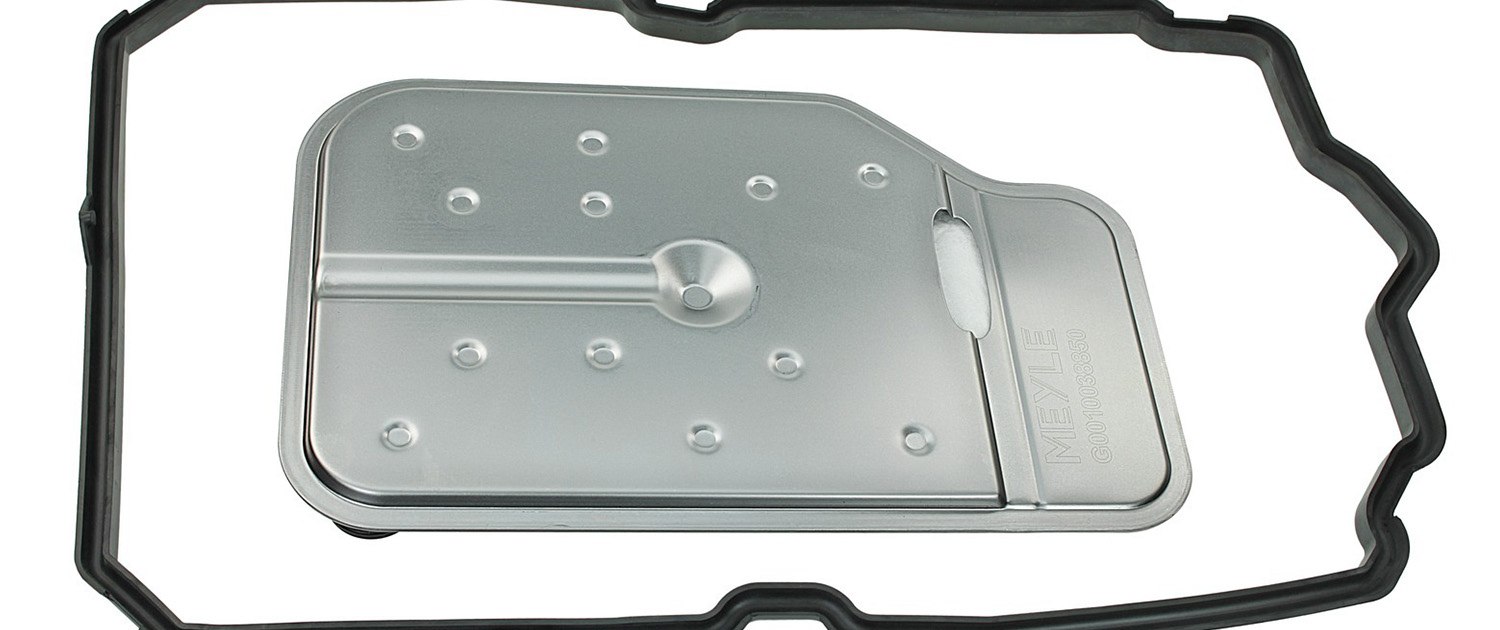
To complete the task properly, it is wise to replace the filters, too. These are situated within the casing on some gearboxes, meaning that the technician will have to perform a degree of dismantling to access them.
Unsurprisingly, replacing automatic transmission fluid will add a significant chunk to a typical service bill. In the UK, a gearbox fluid service typically costs from around £150 to £250 or more, depending on the gearbox and the parts needed, and a dual-clutch oil change averages around £250 to £300.
Yet an automatic transmission fluid change is small next to the bill for a failed gearbox: replacing an automatic gearbox typically costs between £600 and £2,300 for many cars, with twin-clutch units at the upper end and some premium models costing more still. Avoiding a repair or replacement bill makes the investment well worth it, and it helps the gearbox last for longer.
To help avoid potentially higher main dealer parts prices, see if quality filtration companies sell transmission filter kits that are applicable for your car, such as the items from MEYLE.
Signs your automatic transmission fluid needs changing
GEM Motoring Assist is a members’ motoring and road safety organisation in the UK. Our aim is to keep our members on the move… whether that’s through our breakdown recovery service or our motoring and road safety expertise.
Join GEM for simple and straightforward, all-inclusive personal breakdown cover.
We use essential cookies to ensure our site is safe and works properly. We also use analytics cookies to offer you a more personalised experience and to improve our site. To find out more and manage your cookie preferences, please choose ‘Manage’ to view our cookies policy.
This Cookies Policy sets out how GEM Motoring Assist (“We”), use cookies on this website.
About Cookies
A cookie is a small file that is downloaded to a device (e.g. a Computer, Tablet or Smartphone) when a website is visited. The cookie allows the website to recognise a user’s device and store information based on the user’s previous actions and preferences.
For a complete definition of cookies, please visit the Information Commissioner’s Office (ICO) website here.
Types of Cookies used
Essential Cookies
The table below explains the essential cookies We use and why.
Provider
Cookies
Purpose
GEM Motoring Assist
__RequestVerificationToken
This cookie is used to protect against Cross-Site Request Forgery (CSRF) attacks. This is set when you visit the page and is sent back to Our server whenever you submit a form in order to ensure any form submissions originated from Our site.
gemcl
We use security cookies to authenticate users, prevent fraudulent use of login credentials, and protect user data from unauthorised parties.
gem_aggr
This cookie is used to attribute your purchases with our partners.
gem_discount
This cookie is used to ensure customers receive discounts when purchasing through online advertisements.
_cookieconsent
This cookie indicates preference for the use of non-essential cookies.
Application Insights
ai_user ai_session
These cookies are used to collect information about issues, dependencies and exceptions which may occur when browsing this website. This data is purely for telematics and error detection, triage and diagnoses. For more information click here.
Analytics Cookies
The table below explains the analytics cookies We use and why.
Provider
Cookies
Purpose
Google Analytics
_ga _gid _gat AMP_TOKEN _gac_ <property-id>
Used to distinguish users. Used to distinguish users. Used to throttle request rate. Contains a token that can be used to retrieve a Client ID from AMP Client ID service. Contains campaign related information for the user. For more information on the use of Google Analytics Cookies please click here.
How to control Cookies
Information on controlling cookies using specific web browsers can be found on the Information Commissioner’s Office (ICO) website here.
Changes to our Cookies Policy
Any changes We may make to Our Cookies Policy in the future will be posted on this page. We advise that you check this page regularly to keep up to date with any necessary changes.