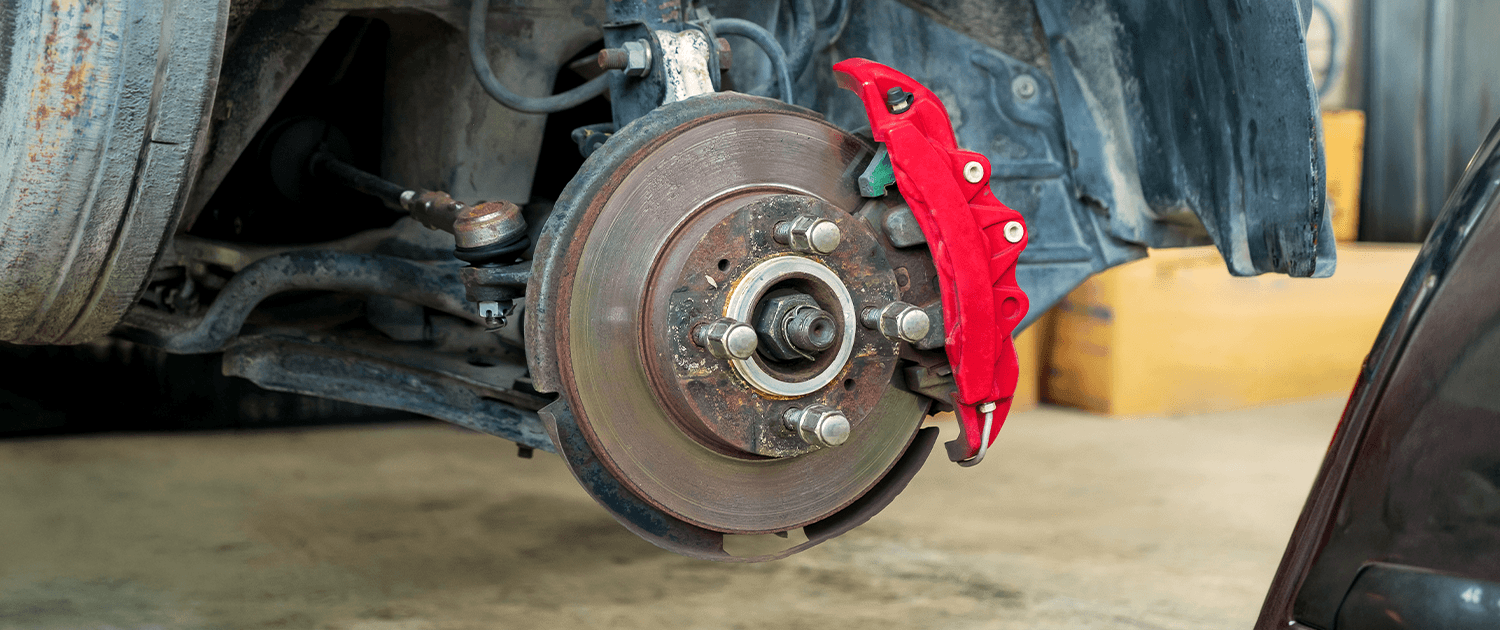
As the cost of living pressures continue to bite, motorists remain keen to slash costs. Yet, try not to be lured into false economies - because the fakers are seeking to profit.
Counterfeit brake pads are a particular concern because they can look remarkably similar to genuine products while failing to meet the required safety and performance standards. The problem is not simply that motorists may be buying an inferior product: poorly manufactured brake pads can directly affect a vehicle's ability to stop safely.
Mercedes-Benz reports that 1.9 million counterfeit products were seized in over 650 raids during a period of 12 months. Closer to home, the UK is experiencing more counterfeit and sub-standard appearing on our shores.
Four years after its announcement, GEM can report that the government body has still not elaborated further without any official update since 2023.
How can you tell if brake pads are fake?
Regardless of whether you are a competent DIYer, or if you are paying a garage to do the work, you can take steps to ensure that your car parts meet the mandatory minimum standards. The main advice is to ensure that they comply with the EU regulation R90, by following these five tips:
1. Check that the packaging is sealed
Not only should a brake pad box be unopened, it also should be sealed. Ensure that it has not been opened already. If you find that someone has opened it before you, the box could contain fake brake pads.
2. Verify the E-mark approval numbers
The e-mark approval number on the box should match those on the pads. E11 90R-02A01234/46789 is a typical e-mark number format. The above picture (from a quality pad manufacturer) is a further example of an e-marked box. Should the markings be missing, you could well be looking at counterfeit brake pads or fake brake pads.
3. Look for the required documentation
Literature should accompany brake pads within the box. The information will include the material code. While deciphering it is beyond most DIYers and even garage technicians, all you need to do is check for its presence. Should it be absent, then the part is non-R90 compliant.
4. Check the manufacturer's contact details
Seek the pad manufacturer's technical support contact information. Should no such details be provided, consider this to be a red flag for counterfeit brake pads.
5. Buy from reputable suppliers
Buying from both a reputable supplier and manufacturer gives you the greatest protection against fake brake pads, and associated parts. While we are not against buying parts from online marketplaces, ask if you can trust the business behind the listing.
FAQ
Are counterfeit brake pads illegal?
Counterfeit products are not legitimate replacement parts and their sale can involve breaches of intellectual property, consumer protection and product safety requirements. Replacement brake linings are also subject to specific safety and approval requirements in the UK.
For motorists, the key consideration is not simply whether a product is advertised as genuine but whether it is an appropriately approved component for the vehicle. If you suspect that you have been supplied counterfeit brake pads, stop using the parts and contact the seller or a qualified garage for advice.
How can I check if my brake pads are genuine?
Start by checking the packaging, approval markings, part numbers and manufacturer information. The numbers and markings should be consistent between the packaging and the brake pads.
Where the manufacturer provides an authentication service, use it. Some manufacturers use security labels, QR codes or other verification systems to help customers confirm that their products are genuine.
If you remain unsure, do not fit the parts simply because they look correct. Contact the manufacturer or ask a reputable garage or parts supplier to verify them.
Can fake brake pads fail an MOT?
Yes, a vehicle fitted with poor-quality or incorrectly fitted brake pads can fail an MOT if the brakes have a relevant defect.
The MOT inspection specifically covers brake linings and pads. For example, pads worn down to the wear indicator are classed as a major defect, while pads worn below 1.5mm are classed as dangerous. Contaminated or incorrectly mounted pads can also result in a failure.
However, an MOT is not a guarantee that every brake pad is genuine. Counterfeit parts can potentially pass an inspection if they have not developed an identifiable defect at the time of the test. Genuine, appropriately approved components from a reputable supplier therefore remain an important part of good brake safety.
Choosing genuine, correctly approved brake pads is an important part of responsible car maintenance. Saving a few pounds on an unknown product is unlikely to be worthwhile if it compromises braking performance or causes premature damage elsewhere in the braking system.
When buying replacement parts, check the packaging, approval markings, identification numbers and supplier. If anything looks suspicious, ask questions before fitting the parts.
Good brake safety is about more than simply replacing worn components. It means making sure the parts fitted to your vehicle are suitable, correctly installed and capable of providing predictable performance when you need to stop.
For further advice, see our breakdown cover and wider motoring guidance.
We use essential cookies to ensure our site is safe and works properly. We also use analytics cookies to offer you a more personalised experience and to improve our site. To find out more and manage your cookie preferences, please choose ‘Manage’ to view our cookies policy.
This Cookies Policy sets out how GEM Motoring Assist (“We”), use cookies on this website.
About Cookies
A cookie is a small file that is downloaded to a device (e.g. a Computer, Tablet or Smartphone) when a website is visited. The cookie allows the website to recognise a user’s device and store information based on the user’s previous actions and preferences.
For a complete definition of cookies, please visit the Information Commissioner’s Office (ICO) website here.
Types of Cookies used
Essential Cookies
The table below explains the essential cookies We use and why.
Provider
Cookies
Purpose
GEM Motoring Assist
__RequestVerificationToken
This cookie is used to protect against Cross-Site Request Forgery (CSRF) attacks. This is set when you visit the page and is sent back to Our server whenever you submit a form in order to ensure any form submissions originated from Our site.
gemcl
We use security cookies to authenticate users, prevent fraudulent use of login credentials, and protect user data from unauthorised parties.
gem_aggr
This cookie is used to attribute your purchases with our partners.
gem_discount
This cookie is used to ensure customers receive discounts when purchasing through online advertisements.
_cookieconsent
This cookie indicates preference for the use of non-essential cookies.
Application Insights
ai_user ai_session
These cookies are used to collect information about issues, dependencies and exceptions which may occur when browsing this website. This data is purely for telematics and error detection, triage and diagnoses. For more information click here.
Analytics Cookies
The table below explains the analytics cookies We use and why.
Provider
Cookies
Purpose
Google Analytics
_ga _gid _gat AMP_TOKEN _gac_ <property-id>
Used to distinguish users. Used to distinguish users. Used to throttle request rate. Contains a token that can be used to retrieve a Client ID from AMP Client ID service. Contains campaign related information for the user. For more information on the use of Google Analytics Cookies please click here.
How to control Cookies
Information on controlling cookies using specific web browsers can be found on the Information Commissioner’s Office (ICO) website here.
Changes to our Cookies Policy
Any changes We may make to Our Cookies Policy in the future will be posted on this page. We advise that you check this page regularly to keep up to date with any necessary changes.