What Grease Should I Use for My Car? - Types, Uses and Advice
What Grease Should I Use for My Car? - Types, Uses and Advice
Grease is a complex blend of base oils, thickeners and performance additives. Because of this, there is no single product that works for every job on a vehicle. Understanding car grease types explained is essential if you want to avoid premature wear or component damage.
Modern vehicles (especially those with higher temperatures, tighter tolerances and advanced braking systems) make choosing the correct grease more important than ever in 2026.
Mythbusting: what is multipurpose grease?
Multipurpose grease is widely sold, but it is often misunderstood. Despite the name, it is not suitable for every automotive application.
What is multipurpose grease used for?
In general, multipurpose grease is best for light-duty, low-stress areas such as:
Door latches and hinges
Locks and hinges
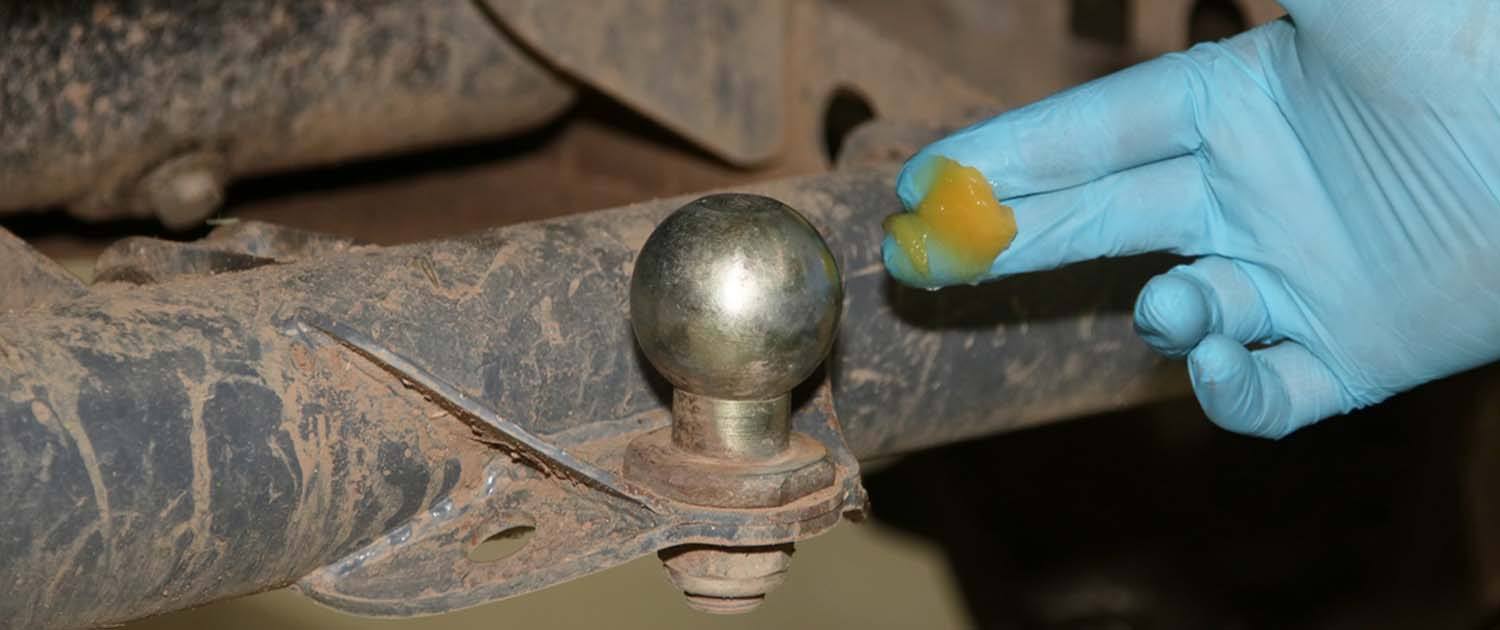
Tow balls (light lubrication only)
Basic mechanical joints with low heat exposure
It is often used because it is convenient, not because it is always correct.
Limitations of multipurpose grease
Multipurpose grease can vary significantly in quality:
Some use basic soap thickeners with minimal additives
Others use more advanced lithium-based formulations
Performance at high temperature can be inconsistent
Because of this variation, assuming it works everywhere can cause issues in modern vehicles.
When a specialist grease is better
In many cases, a dedicated product is safer and more effective:
We use essential cookies to ensure our site is safe and works properly. We also use analytics cookies to offer you a more personalised experience and to improve our site. To find out more and manage your cookie preferences, please choose ‘Manage’ to view our cookies policy.
This Cookies Policy sets out how GEM Motoring Assist (“We”), use cookies on this website.
About Cookies
A cookie is a small file that is downloaded to a device (e.g. a Computer, Tablet or Smartphone) when a website is visited. The cookie allows the website to recognise a user’s device and store information based on the user’s previous actions and preferences.
For a complete definition of cookies, please visit the Information Commissioner’s Office (ICO) website here.
Types of Cookies used
Essential Cookies
The table below explains the essential cookies We use and why.
Provider
Cookies
Purpose
GEM Motoring Assist
__RequestVerificationToken
This cookie is used to protect against Cross-Site Request Forgery (CSRF) attacks. This is set when you visit the page and is sent back to Our server whenever you submit a form in order to ensure any form submissions originated from Our site.
gemcl
We use security cookies to authenticate users, prevent fraudulent use of login credentials, and protect user data from unauthorised parties.
gem_aggr
This cookie is used to attribute your purchases with our partners.
gem_discount
This cookie is used to ensure customers receive discounts when purchasing through online advertisements.
_cookieconsent
This cookie indicates preference for the use of non-essential cookies.
Application Insights
ai_user ai_session
These cookies are used to collect information about issues, dependencies and exceptions which may occur when browsing this website. This data is purely for telematics and error detection, triage and diagnoses. For more information click here.
Analytics Cookies
The table below explains the analytics cookies We use and why.
Provider
Cookies
Purpose
Google Analytics
_ga _gid _gat AMP_TOKEN _gac_ <property-id>
Used to distinguish users. Used to distinguish users. Used to throttle request rate. Contains a token that can be used to retrieve a Client ID from AMP Client ID service. Contains campaign related information for the user. For more information on the use of Google Analytics Cookies please click here.
How to control Cookies
Information on controlling cookies using specific web browsers can be found on the Information Commissioner’s Office (ICO) website here.
Changes to our Cookies Policy
Any changes We may make to Our Cookies Policy in the future will be posted on this page. We advise that you check this page regularly to keep up to date with any necessary changes.